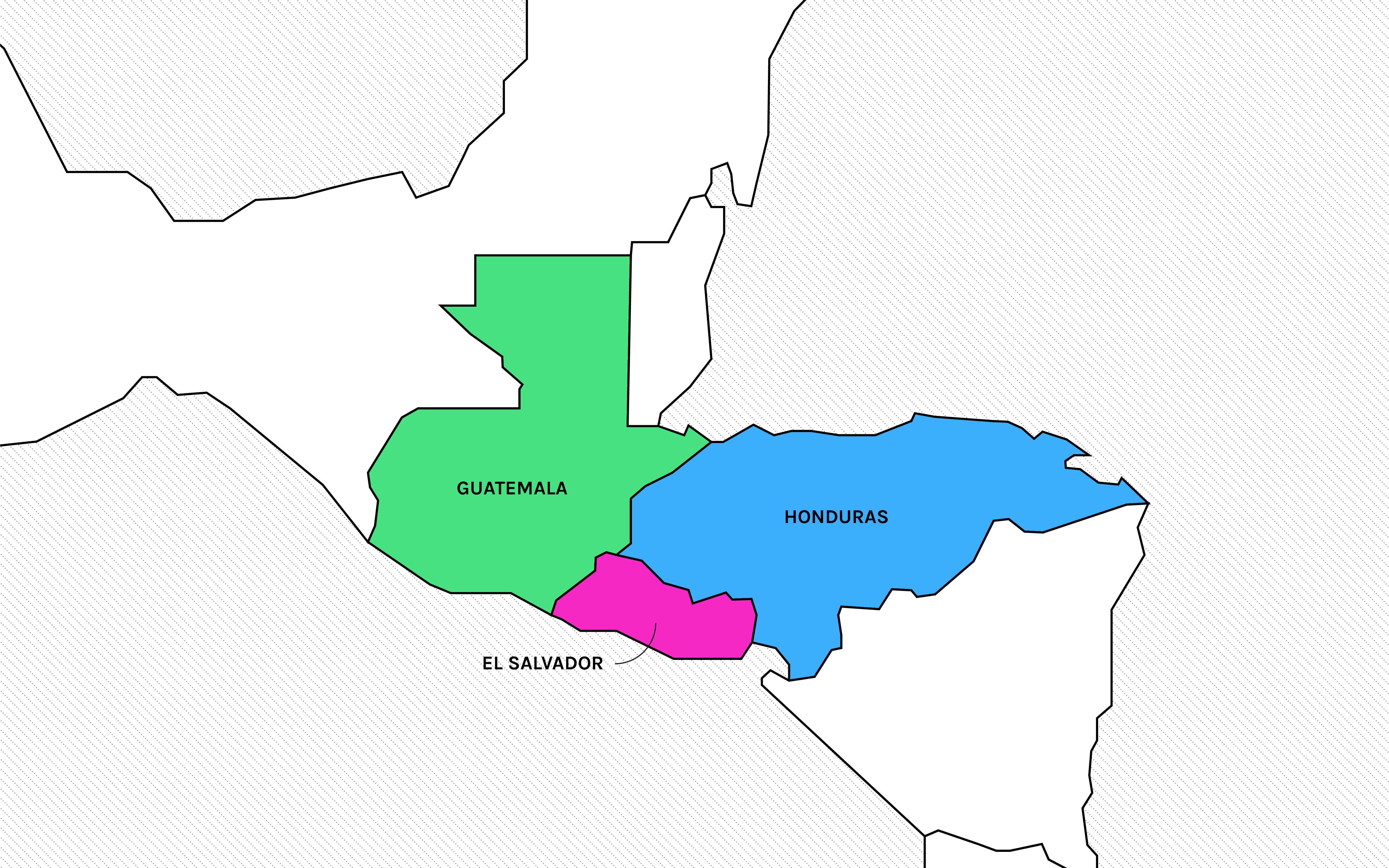
What is the economic importance of the Northern Triangle countries as exporters of agricultural products to the rest of the world?
What does the Northern Triangle migration mean for the global food supply chain?

Background and Introduction
Guatemala, Honduras and El Salvador, which comprise the Northern Triangle, face many of the political and economic issues that contribute to the region's overall instability.
Economically, The Northern Triangle is one of the poorest regions in the Western Hemisphere. By GNP per capita, all three countries are in the bottom six of the 32 Latin American and Caribbean countries. In 2020, Guatemala's GNP per capita was $4,603, El Salvador's was $3,799, and Honduras' was $2,406, with the Northern Triangle's average GNP per capita being approximately $3,603.
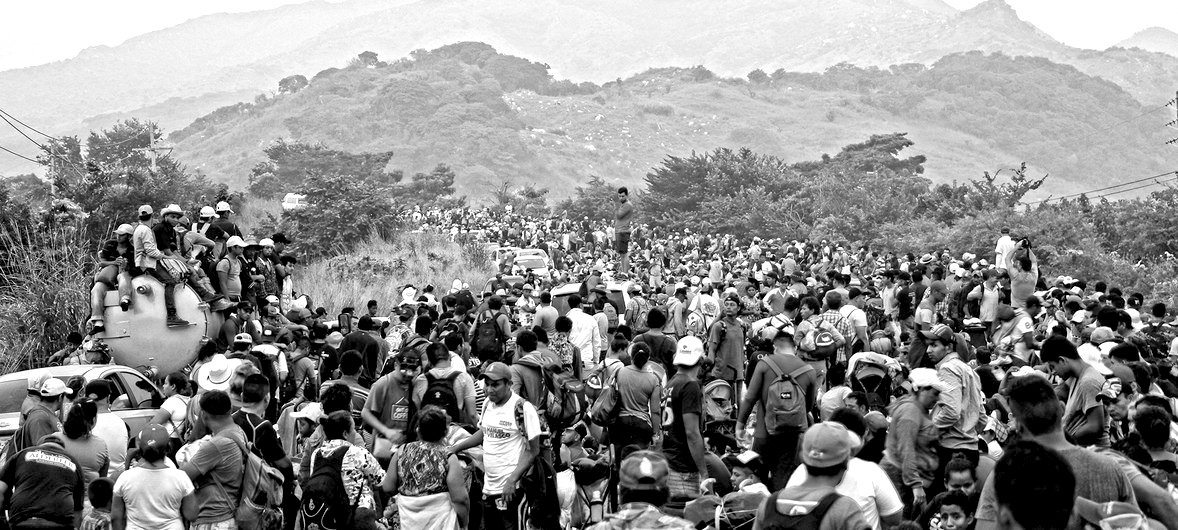
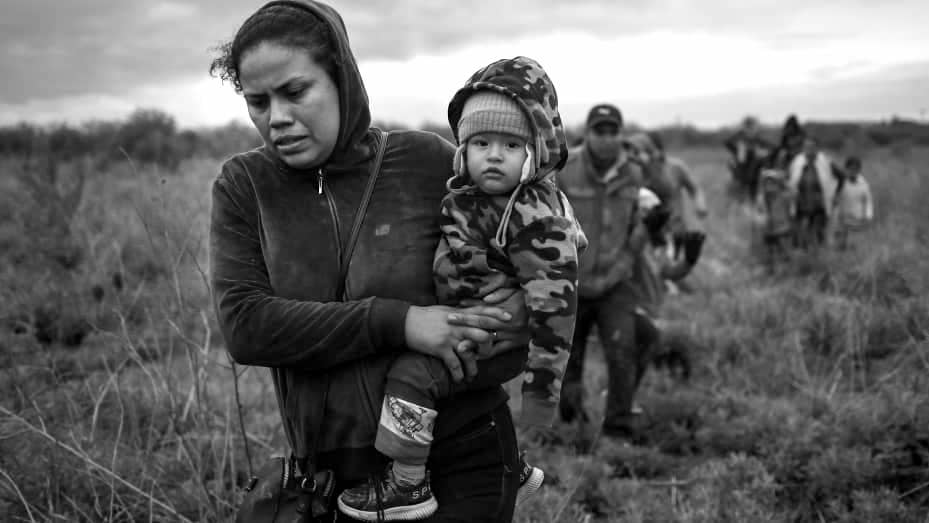
Simultaneously, they rank among the countries which contribute the most to migration, and are among the region's most troubled countries in terms of violence, poverty, economic instability, and climate extremes. The Covid-19 pandemic, as well as the two hurricanes, Eta and Iota, that hit the region in November 2020, aggravated existing issues of poor governance, lack of security, and unequal economic growth, and contributed to the push for migration.
Hondurans account for the largest share of Northern Triangle migrants intercepted by U.S. border authorities, followed by Guatemalans and then Salvadorans. Given the area's high levels of poverty, violence, and insecurity, the Northern Triangle's humanitarian crisis has only gotten worse in the last year. Nearly 15% of those surveyed by the World Food Programme in January 2021 said they were making concrete plans to leave their home country.
Occupational Composition of Migrants
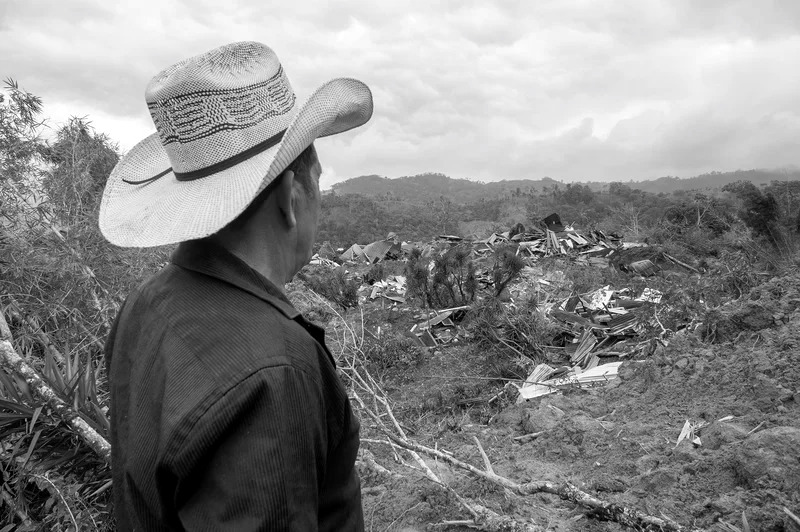
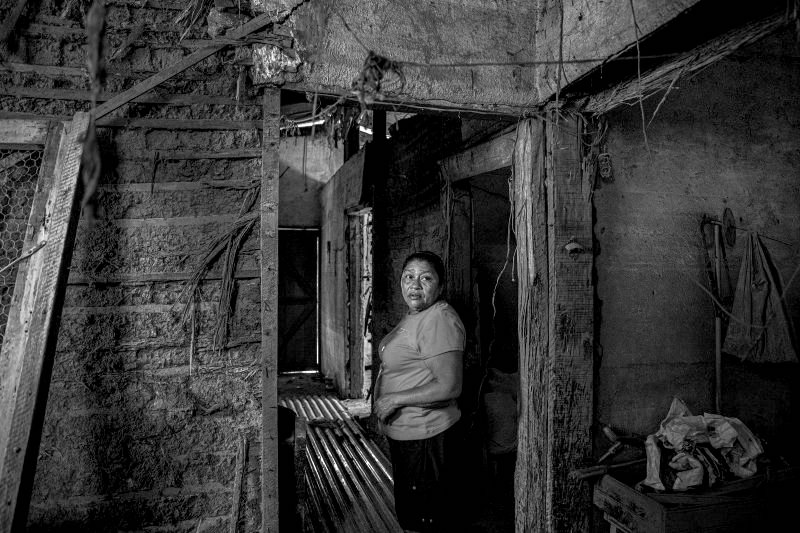
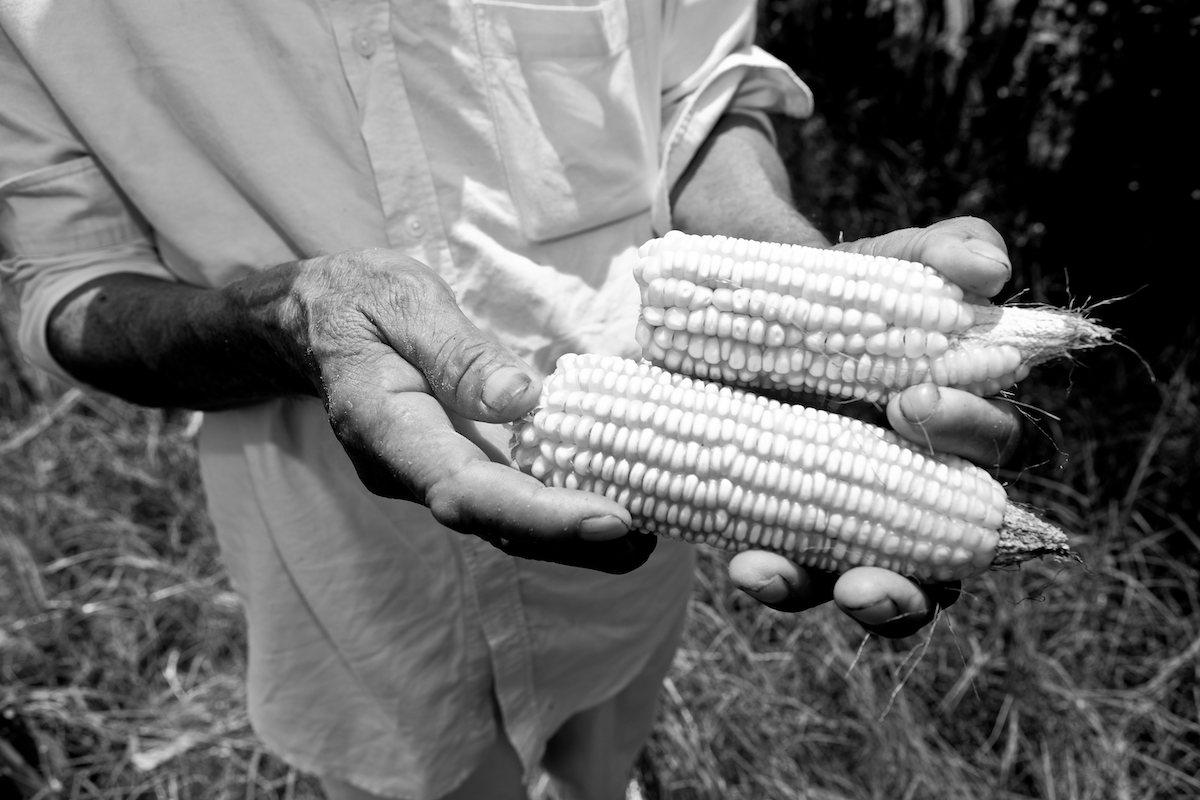
According to the interview conducted by the World Food Programme in 2021, on average, 28% of migrants from Hunduras, El Salvador and Guatemala had previously worked in agricultural productions or labor.
Migration and Agricultural Exports Trends
Role of the Northern Triangle Countries as Food Exporters
Guatemala is the horticultural hub for Central America. The agricultural sector is a significant part of Guatemala’s economy accounting for around 25% of the GDP and employing 50% of the labour force. The main crops are coffee, sugarcane, bananas and cotton.
Honduras is abundant with agricultural land, forest and marine resources. The share of agriculture in the country's GDP decreased sharply from 21.6 percent in the late 1980s to 14% in 2001 and has continued to decreased. Agriculture, however, is still the primary sector of the economy.
El Salvador, too, is predominantly an agricultural country. Despite the fact that agriculture only accounted for 9.3% of the GDP and employed 35.5% of the economically active population in 1992. Approximately 57% of the country's population lives in rural areas and about 75% of the country's basic grains are produced on family farms. Coffee, sugar cane and cotton are the main cash crops. Shrimps were also an important export. The country's agricultural strategy aims to inprove rural income through increased productivity as well as agricultural exports and foreign exchange revenues.
Export Basket of Honduras
Export Basket of El Salvador
Export Basket of Guatemala
While exports of agricultural products from Honduras and Salvador decreased, Guatemala, on the other hand, saw an increase from 2019 to 2020. This could be due to the fact that the agricultural sector of Guatemala's economy consists of two types of producers which include small-scale peasant-owned farms in the highlands, and medium to large-scale operations in the more fertile lowland.
These smaller farms produce staples such as beans and maize for domestic consumption as well as fruits and vegetables for export. Larger farms, on the other hand, produce predominantly plantation and export products including, for instance, bananas, sugar cane, coffee, and palm oil.
While 92% of farms in Guatemala are small, 88% of agricultural land is in large-scale operations. These large farms employ fewer people and produce 1/3 more per hectare than small farms. The scale difference is debatably what contributed to the increase in total export in 2020.
Northern Triangle Migration & Global Food Supply Chain
Migration in deed is a complex issue. Not only that it can mean greater insecurity for the population of these countries, in the long run, migration can negatively impact the global food supply chain as these countries are exporters of agricultural products to the global market.
While most research focuses on the drivers such as violence and economic factors, it is also crucial to analyze the impact it has at both the local and the global scales. Our finding suggests that there is no direct correlation between outward migrantion and the global agricultural supply chain. However, this is only part of the story. It can be argued that other interrelated factors, such as Free Trade Agreements, and scales of operation, also account for the change in the global agricultural supply chain. Therefore, they should also be analyzed in relation to what was analyzed by this study.